Build•8 min read
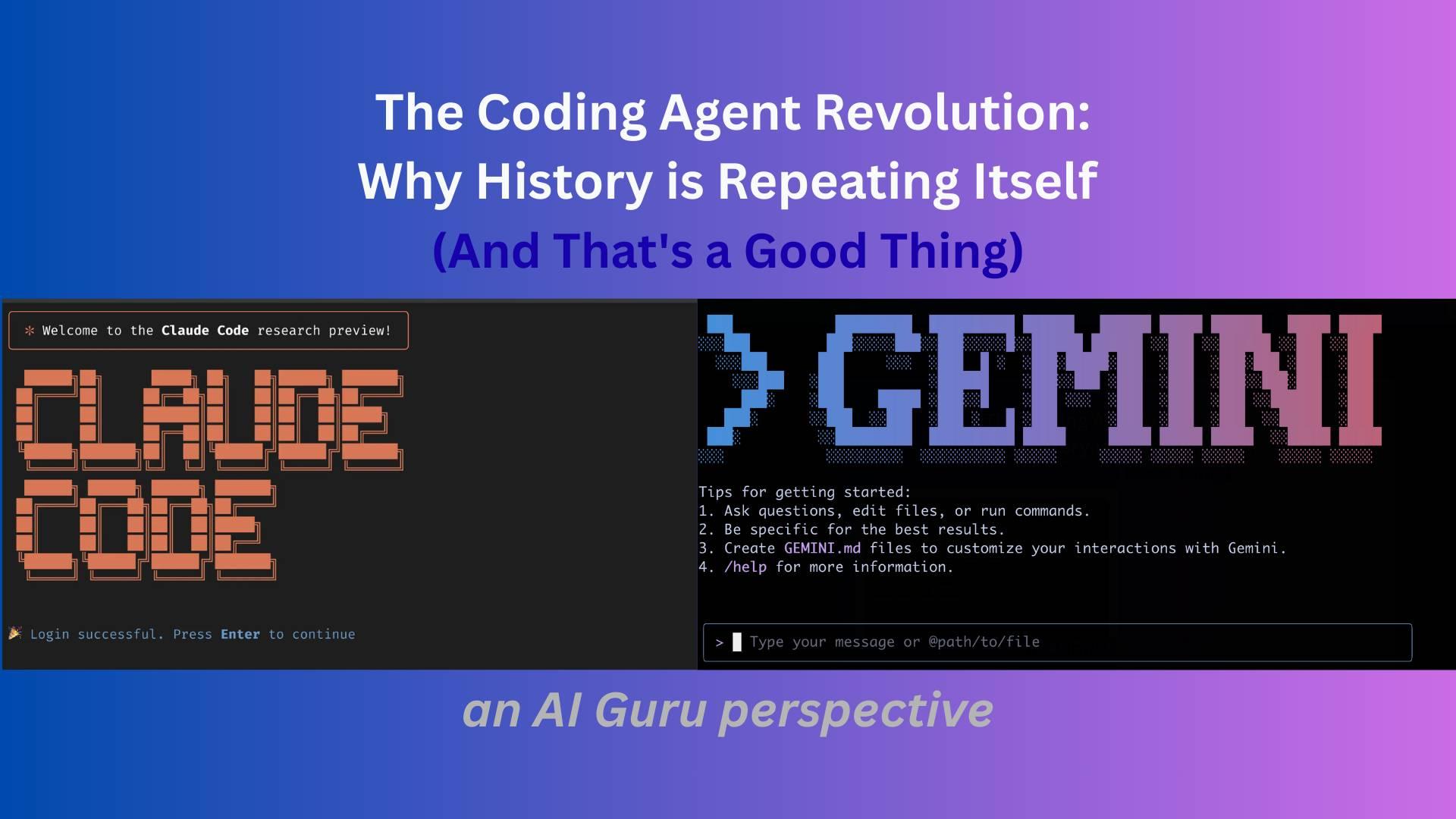
The Coding Agent Revolution: Why History Is Repeating Itself
AI coding agents echo the 2006 cloud shift - 84% of developers now use AI tools, yet 46% distrust the output. A practitioner's take on Claude Code vs Gemini.
AI Guru Team
Technical deep dives into AI systems, algorithms, and hands-on engineering guides.
AI coding agents echo the 2006 cloud shift - 84% of developers now use AI tools, yet 46% distrust the output. A practitioner's take on Claude Code vs Gemini.
Plan turns weeks of strategic analysis into hours - 8 frameworks, 15+ AI agents, and live market data built to cut the busywork around real strategic thinking.
How a 7-day build produced DraftEmail, an AI tuned for professional email with a Chrome extension and templates - 500 beta users save 5+ hours a week.
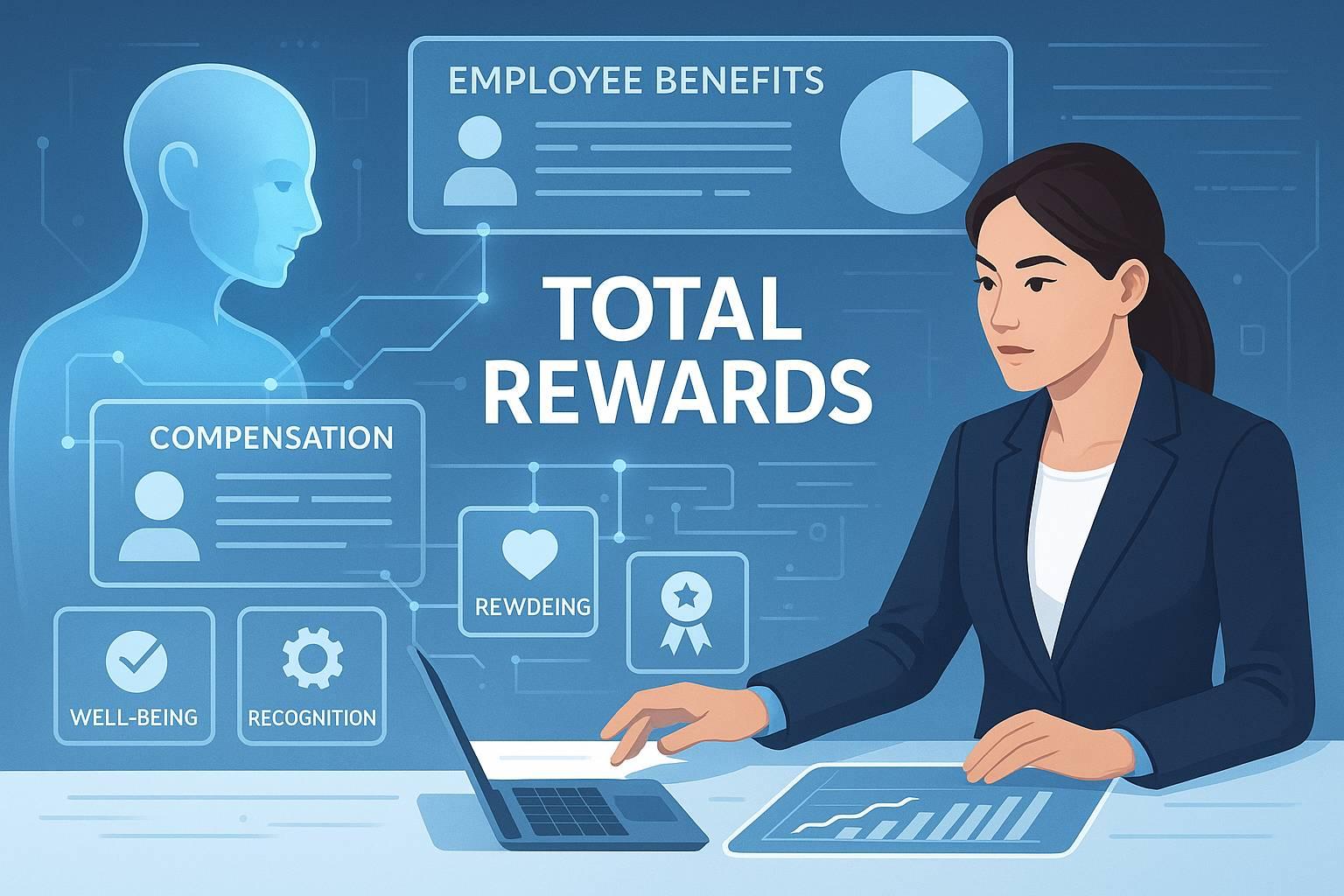
Fragmented data and one-size-fits-few programs leave Total Rewards underdelivering. How agentic AI unifies systems and personalizes rewards for HR leaders.
Physicians spend 34-55% of their day on notes, costing $140B yearly. How ambient clinical documentation cuts that up to 70% and eases clinician burnout.
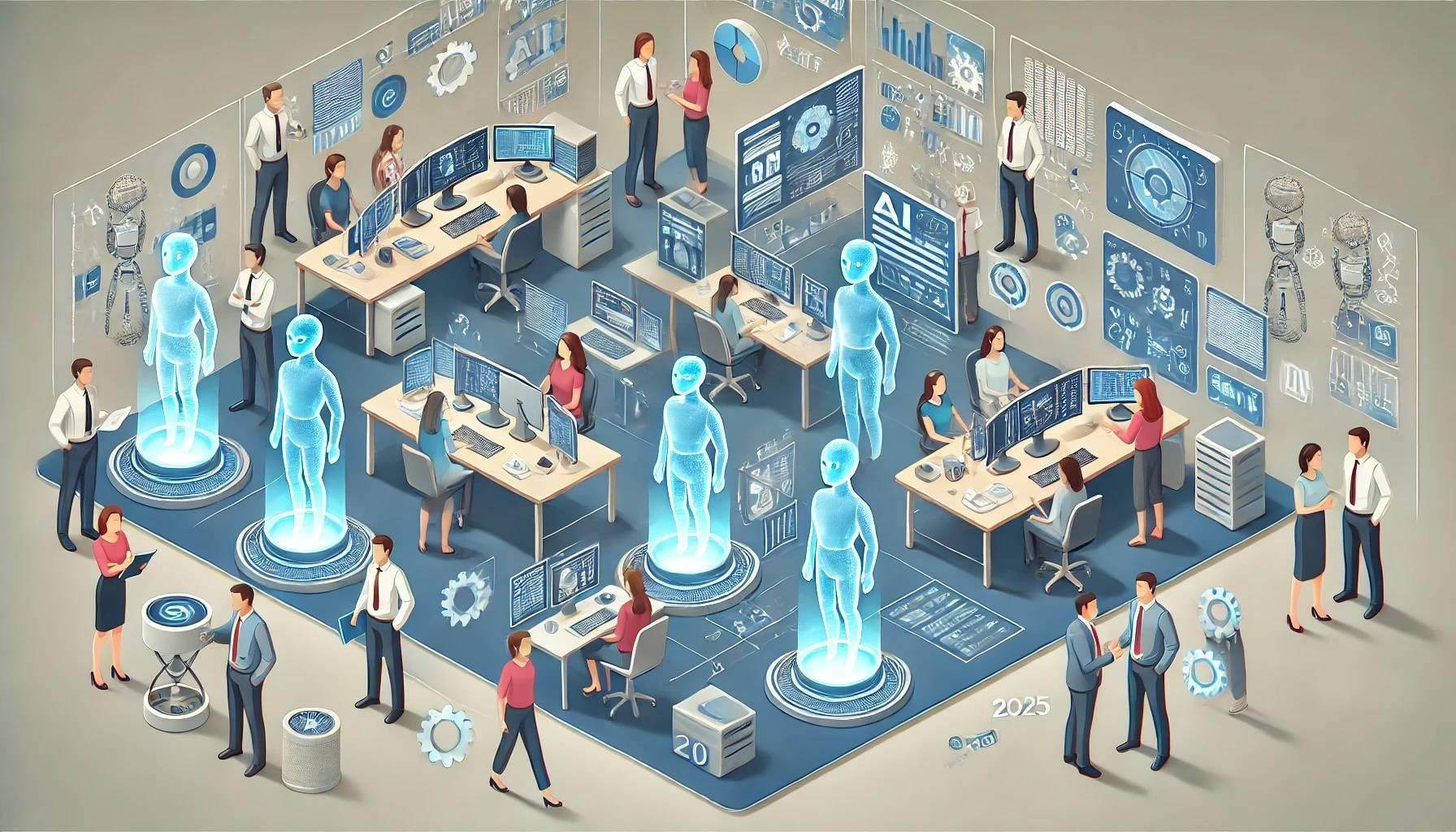
Enterprise AI agents now deliver 30-40% efficiency gains via multi-agent setups like Moody's 35 specialized agents, defense-in-depth controls, and oversight.

Three waves of sales AI from basic automation to integrated intelligence, with results like Clay's 312% response lift and Klarna scaling 700 agents of work.
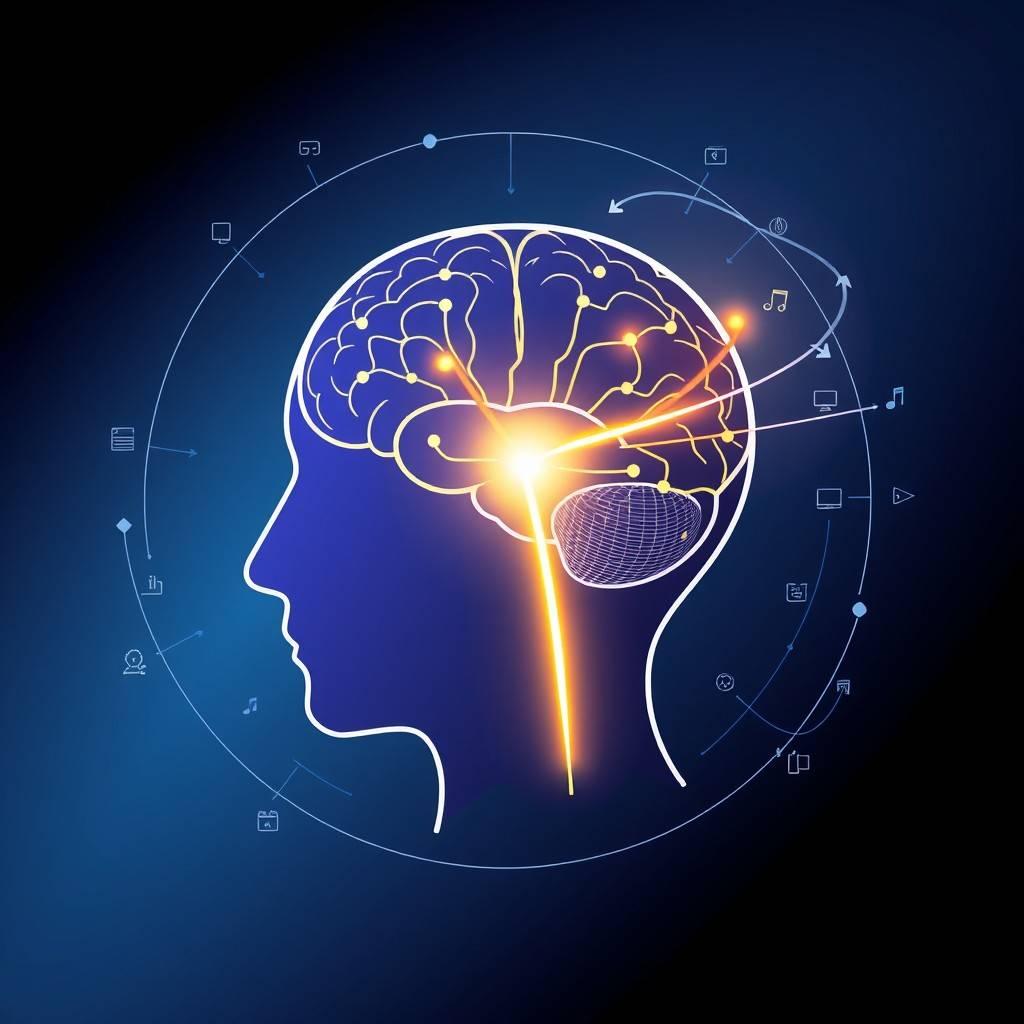
Generative AI inference feels slow due to sequential token generation and memory bandwidth limits - even an H100 3.3 TB/s falls short of 1,000 tokens/sec.

How multisensory AI tailors learning to each student with video, audio, and interactive content, and grades work through speech, presentation, and feedback.
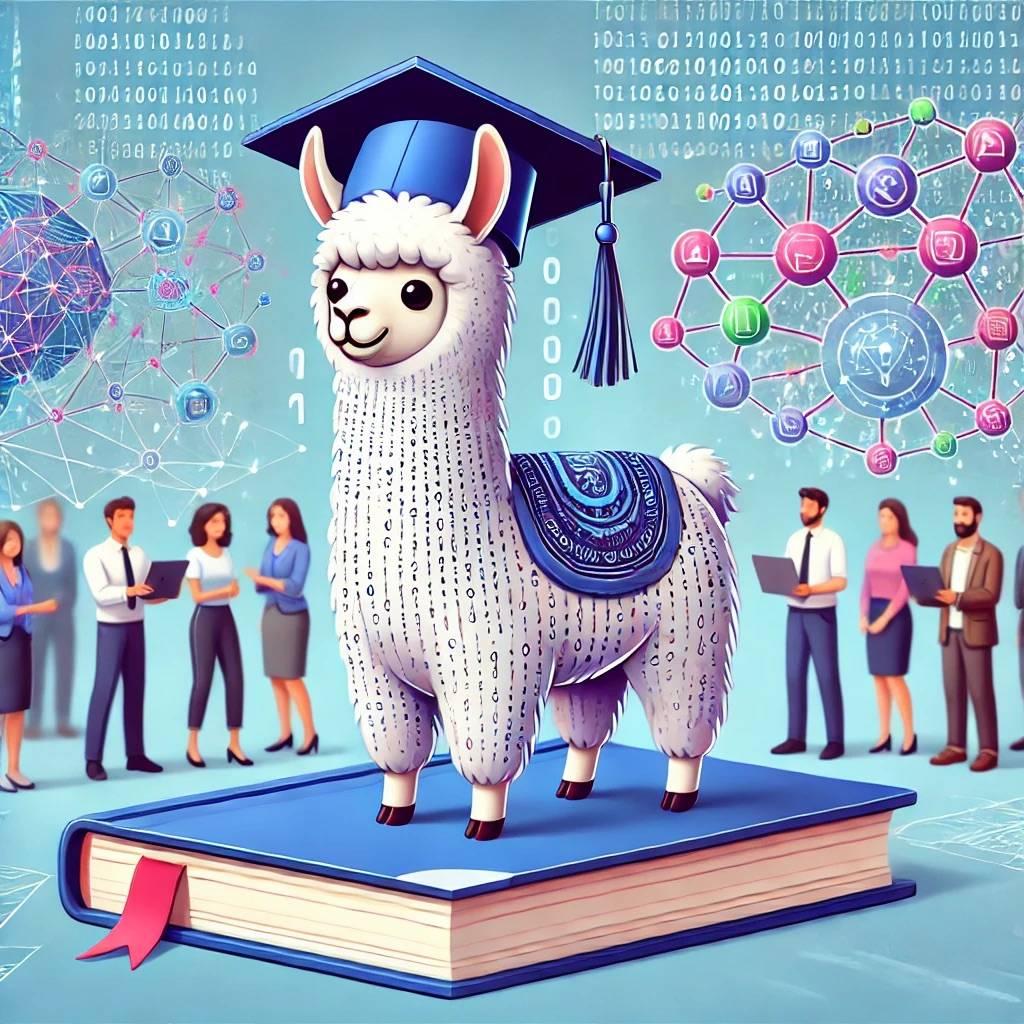
Meta's Llama 3.1 405B is the first open-source model rivaling GPT-4o and Claude 3.5, leading GSM8K math at 96.8, with 128K context across the upgraded family.
A prompt is the fundamental building block of generative AI - the context and instructions that guide a model's output. What prompts are and why they matter.
Learn what algorithms are through simple analogies and everyday examples that everyone can understand.
How algorithms drive business operations, including real industry applications and measurable ROI examples.
A beginner-friendly introduction to neural networks using simple analogies and everyday examples.
How businesses leverage neural networks for pattern recognition and complex predictions.
Technical deep-dive into artificial neural networks, architecture design, and implementation best practices.
Learn batch learning through simple analogies - how AI systems train on big groups of data at set times.
How businesses use batch learning for scheduled model training and predictions.
Technical guide to batch learning paradigm, implementation strategies, and performance considerations.
A beginner's guide to understanding big data - the massive information powering modern AI.
How enterprises leverage big data for business insights and competitive advantage.
Technical guide to big data technologies, architecture, and processing strategies.
An easy introduction to classification in AI, with everyday examples and helpful analogies.
Technical guide to classification in machine learning, including system architecture, implementation, and best practices.
Learn clustering through simple analogies - how AI naturally groups similar things together.
How businesses use clustering to understand customers and markets, with real industry applications.
Technical deep-dive into clustering algorithms, implementation strategies, and performance optimization.
Learn how computers can see and understand images - a beginner-friendly introduction to computer vision.
How businesses use computer vision to automate visual analysis and improve operations.
Technical guide to computer vision algorithms, system architecture, and implementation best practices.
How datasets power business decisions, with industry applications and measurable business benefits.
Learn what generative AI is through examples and analogies - the technology creating art, music, and text.
How businesses leverage generative AI for content creation, design, and product innovation.
How LLMs work, what they can do, and how Indian enterprises are deploying them for real business impact.
A beginner-friendly introduction to large language models - the AI behind ChatGPT and similar tools.
How businesses leverage large language models for content, automation, and business operations.
Technical deep-dive into transformer architecture, training, and deployment of large language models.
A beginner-friendly introduction to machine learning concepts through everyday analogies.
Technical comprehensive guide to machine learning algorithms, techniques, and best practices.
Practical prompt engineering techniques that work across ChatGPT, Claude, and Gemini.
A technical guide to Retrieval Augmented Generation for enterprise applications.
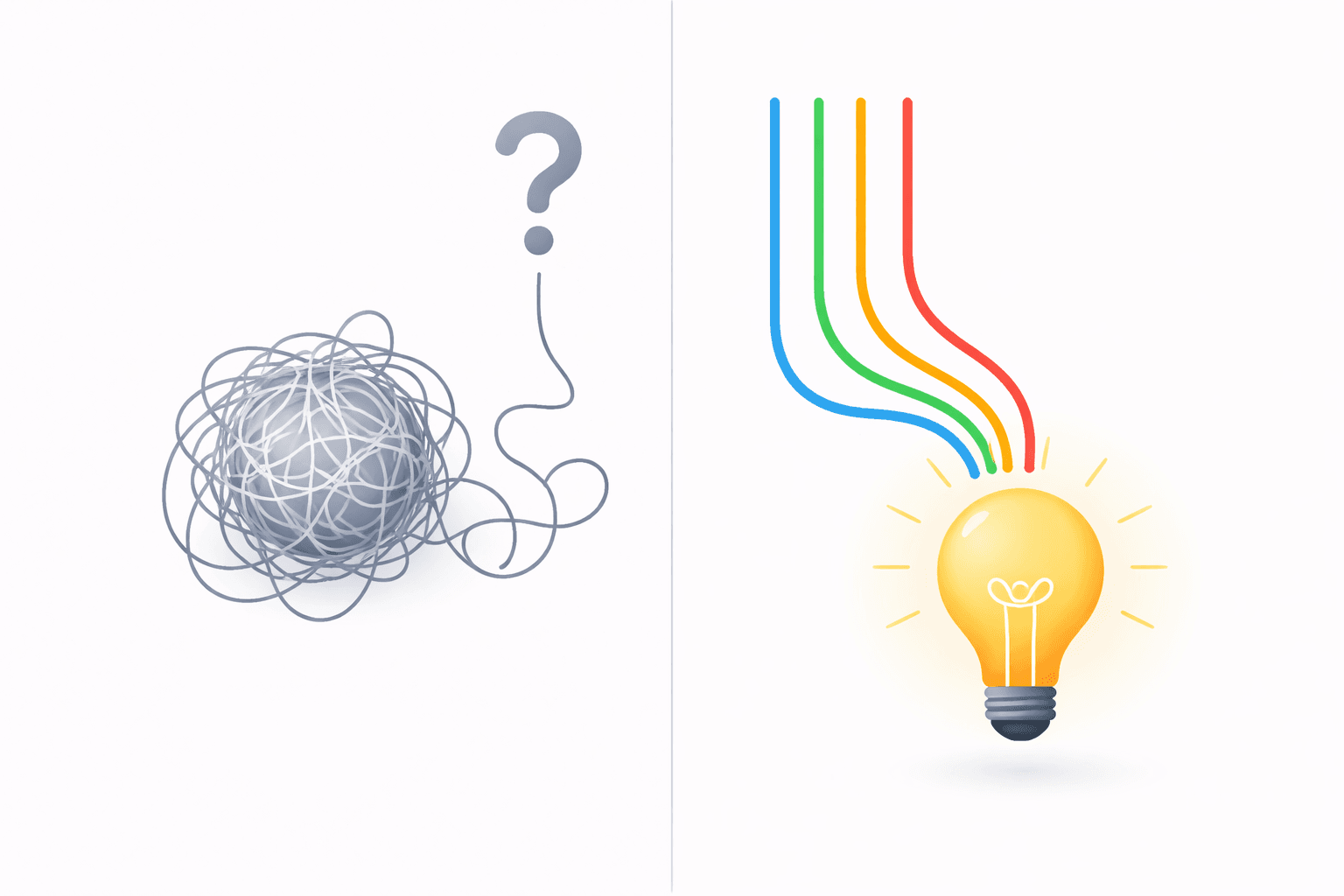
The beginner's guide to writing AI prompts that work — a four-element framework with before-and-after examples.

Why your first prompt is a starting point, not a final answer — three techniques for iterative refinement that save time.
A practitioner's guide to governing AI system design from use case to architecture, with feasibility, risk/benefit analysis, and knowing when not to build.
Governing AI training data in practice - consent and legality, quality dimensions, sources of bias, and cross-border challenges, grounded in NIST and EU rules.
What model cards and dataset datasheets should document - intended use, limitations, metrics, ethics - and how to match documentation rigor to system risk.
A model can be 95% accurate overall yet 60% for one demographic - why testing needs the TEVV framework, disaggregated evaluation, and fairness analysis.
A release readiness checklist for moving AI from lab to production - validated performance, bias and fairness testing, security, and stakeholder sign-off.
Data drift, concept drift, and model drift all degrade AI in production. How teams catch decline early with segment metrics and decide when to retrain a model.
Match build-vs-buy and cloud-vs-edge decisions to risk using NIST AI RMF, the EU AI Act, and OECD principles - practitioner guidance for governance teams.